Fire Emblem: Fortune's Weave [Review]
FE: FW successfully delivers on its scale without being overindulgent, with a balanced game and memorable experience for everyone that loves good role playing games. The best in the series, and one of the best games on Switch 2.
![Fire Emblem: Fortune's Weave [Review]](https://storage.ghost.io/c/99/4e/994ec29e-38c9-4a86-87eb-e15f426ddf35/content/images/size/w1200/2026/10/IMG_9244.jpeg)
In an era where Gods still rule and walk among people, the golden city of Dagsion sits in the center of the world: a sprawling metropolis, that houses everyone who's someone in the empire, with iconic landmarks like the gigantic Coliseum and the eight Temples of the Gods. Ruled by the Divine Sovereign Solel, in the Imperial Year 1449, the streets are aflame for a competition is about to start in the great city: the Heroic Games, where the strongest warrior of the realm will be given the title of Flame Lord of Dagda and granted a wish by Solel himself.
As a single narrative divided in three parts, Fire Emblem: Fortune's Weave cleverly creates four different point of views of the first part and makes it easy to play them all in one playthrough. While it can be overwhelming sometimes and it is the the longest game in the series by far, the PoV structure results in a satisfying story with the most memorable cast of Fire Emblem characters to date. And because it is the same world as 2019's Three Houses, there's a sense of maturity and structure in the worldbuilding itself, expanding on themes and identities first introduced in that game.
At a glance, and reading the route descriptions, things seemed to be predictable enough. I was surprised to see that every path somewhat subverts the expectations, with clever twists for everyone. Fire Emblem as a series is full of one sided characters, and while some are present in this game here and there, the protagonists with point of views and their inner circles are maybe the most well realized bunch of characters since Fire Emblem Path of Radiance, but unlike the old GameCube classic, where only 4 or 5 characters were given that importance, here, every Route protagonist and their closer crew are surprisingly flashed out.
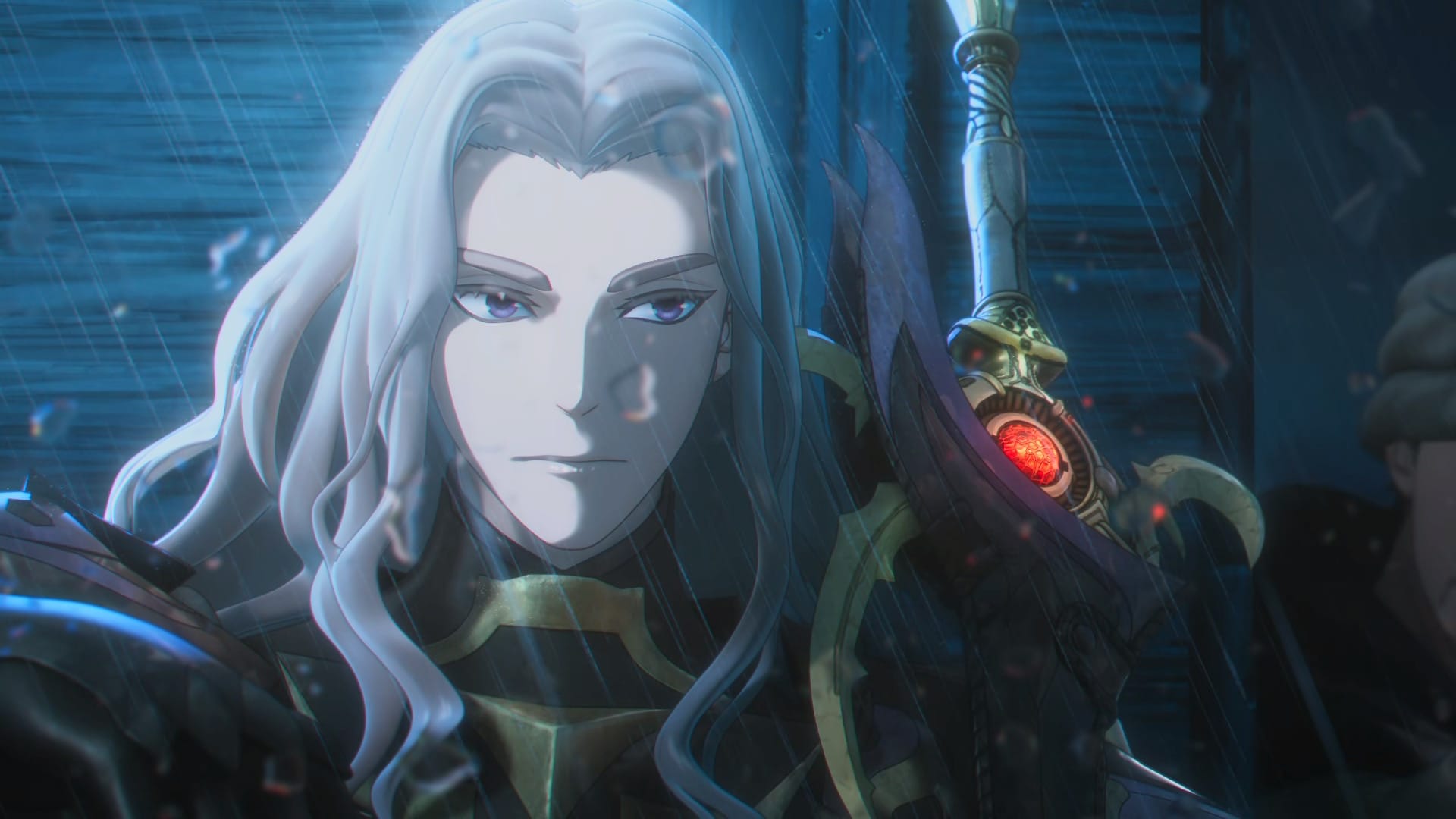
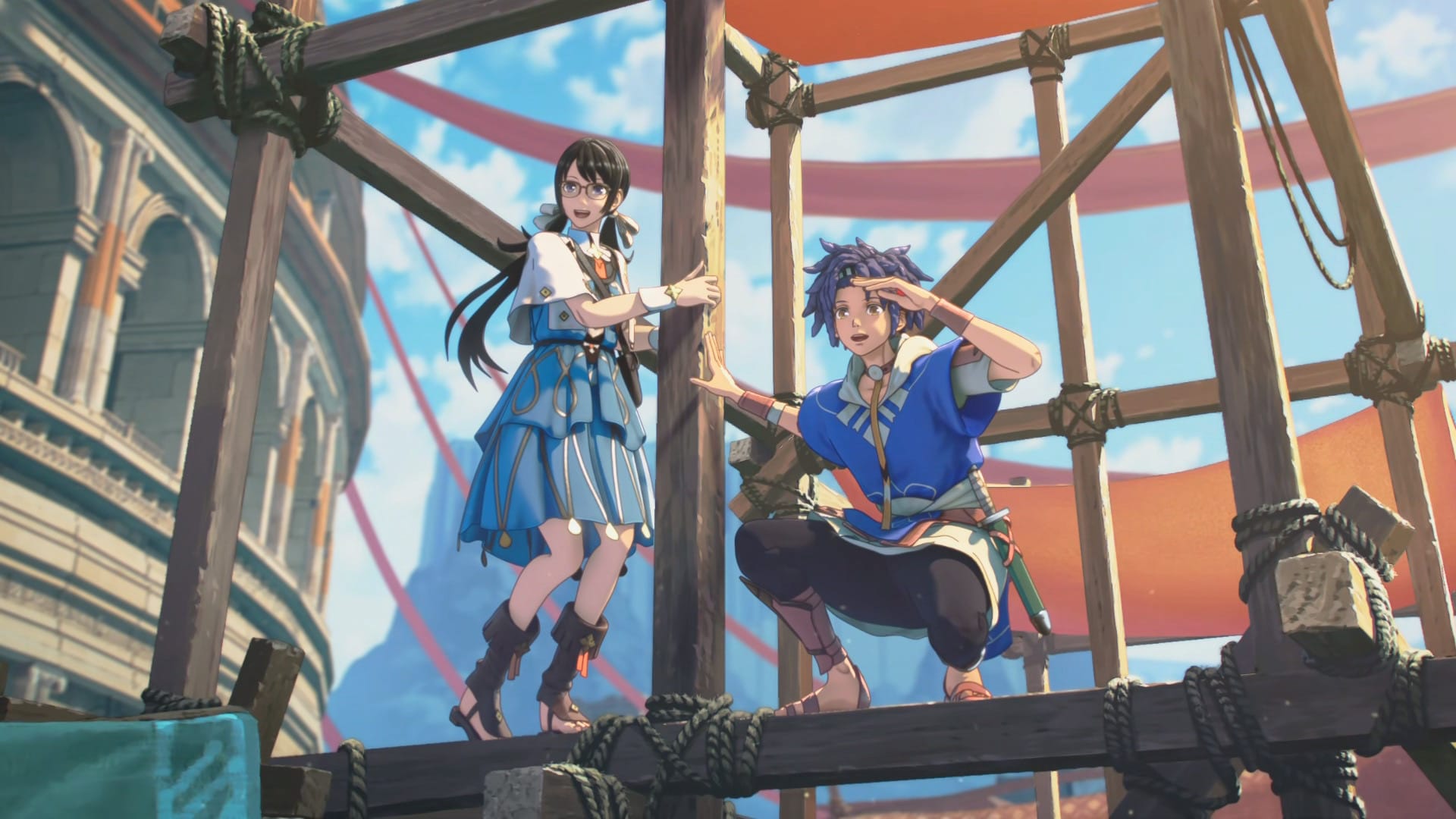
Each of these four different "paths" have 12 chapters, and completing one greatly enhances rewards from battles and experience through the Boons of Salvation mechanic, so seeing a full story before starting another one is advised. Still, I could change between routes at any time, and while progress on Part 1 isn't really shared between them, when everything merges later in the game, there are tangible gameplay rewards for finishing all the routes, like more units, items, accumulated gold and a way to mix characters to "inherit" bonuses.
After all, Fire Emblem is a tactical role playing game, so having lots of units often equates in having more stuff to do in the game. The world is massive, but a timed structure dictates how exploration, battle and questing works: objectives must be met until a time limit arrives, so planning what to do is a important and addictive part of the game.
Battles take place in an grid like arena where each tile matters. Units have different ways of interacting with the scenario, but generally speaking, walking into an enemy and fighting it is somewhat predictable, because the odds of the combat are shown to the player in the moment units are about to combat each other. Fortune's Weave has one of the clearest combat in the series so far, and it is easy to understand and remember what is good and what is not.
Breaking some traditions of the franchise, this game is less about a "weapon triangle", where each weapon is stronger against another, and uses bonuses and special weapons to actually dictate what effective against what. Because of it, units are more unique, and a class in a specific troop can be really different than the same class on another. Intelligent System created a great structure where each character can be their own because of special traits that are unlocked at level 25 and 35 and is different for every unit. It ends up being a satisfying experience most of the times, and more balanced than I expected. In my opinion, the best class system of the franchise.
Another strong aspect of this game lies with its customization and combat, greatly enhanced by cursed abilities and equipment – both gear and weapons – that can tangibly change how some spells and even passives work, creating opportunities to break or make the game. All of these have a downside that can lead up to less maximum life during the battle, so I needed to thread carefully when using them to avoid a permanent death. Also, I've played this game on Normal, mostly because of the game length, and I was again happy to see that while the Part 1 can gravitate towards the easier side, other two parts often challenged me in fun ways. I still think that the enemies could've been a little more aggressive, though, and use more combat arts, even on the normal difficulty.
Although fast to navigate through, the menus can be messy and bloated. Why does the game feature three different buttons that go to three different – and relevant – menus? I've often found myself a bit lost on the UI, that can be a bit too much sometimes, mostly on the beginning of the third act.
Beyond the occasional fetch quests, there are some bigger side stories in the later part of the first section of the game, named "Paralogues", and these have the best maps in this first act by far, with interesting challenges and gimmicks that made me even replay some in subsequent routes. These paralogues also feature interesting lore and character development with other contestants and feature great rewards that are worth it for late game.
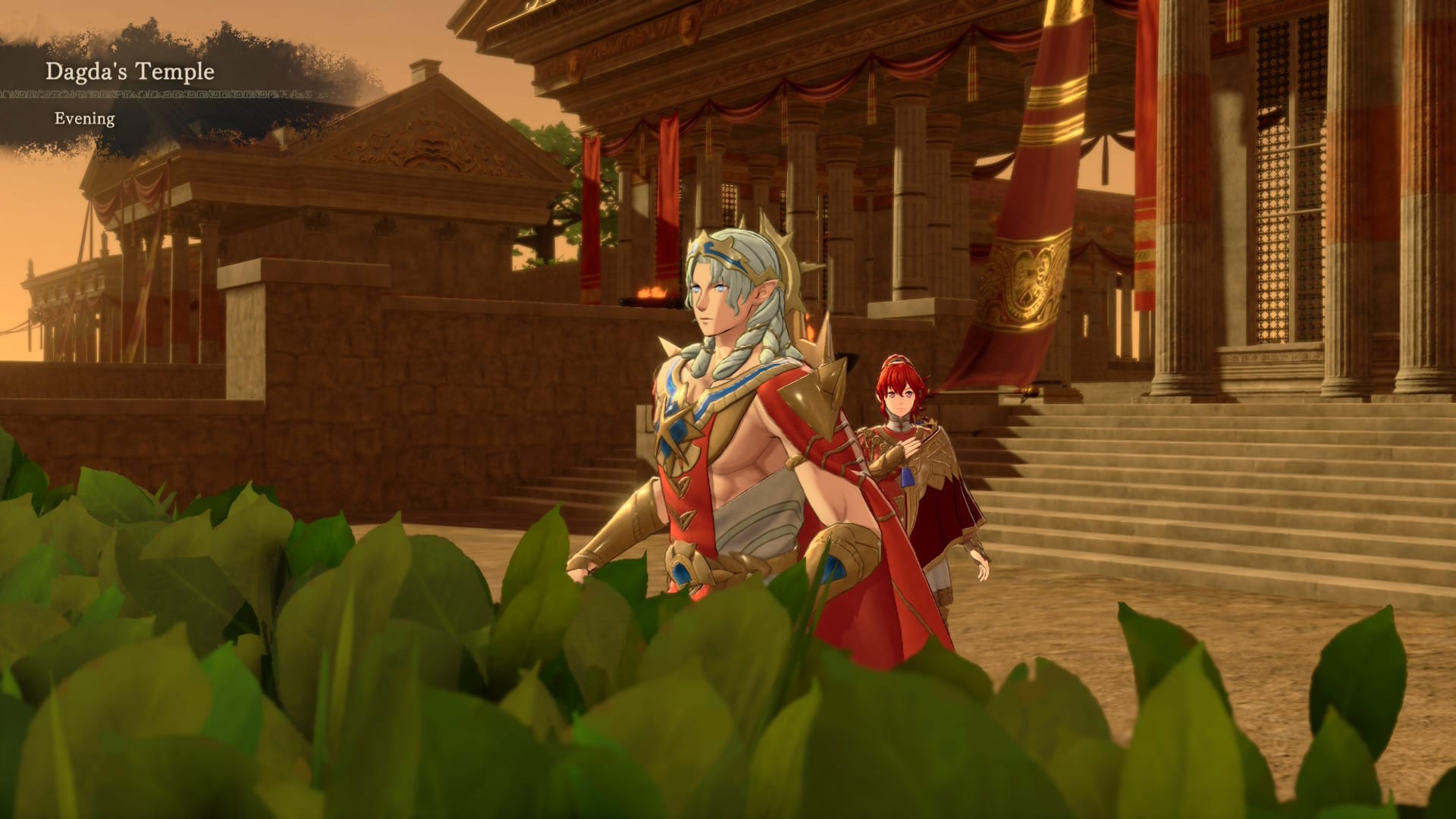
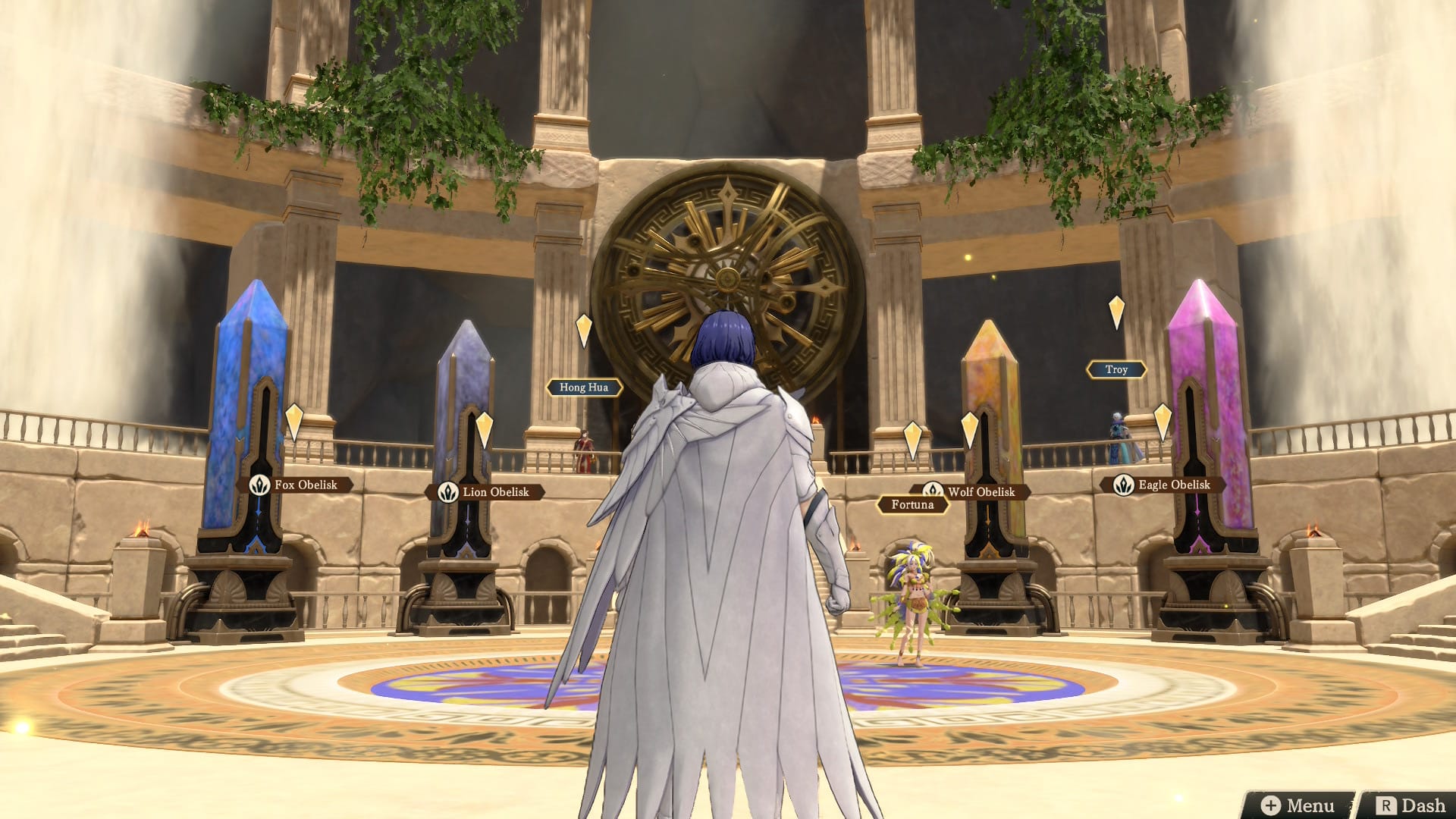
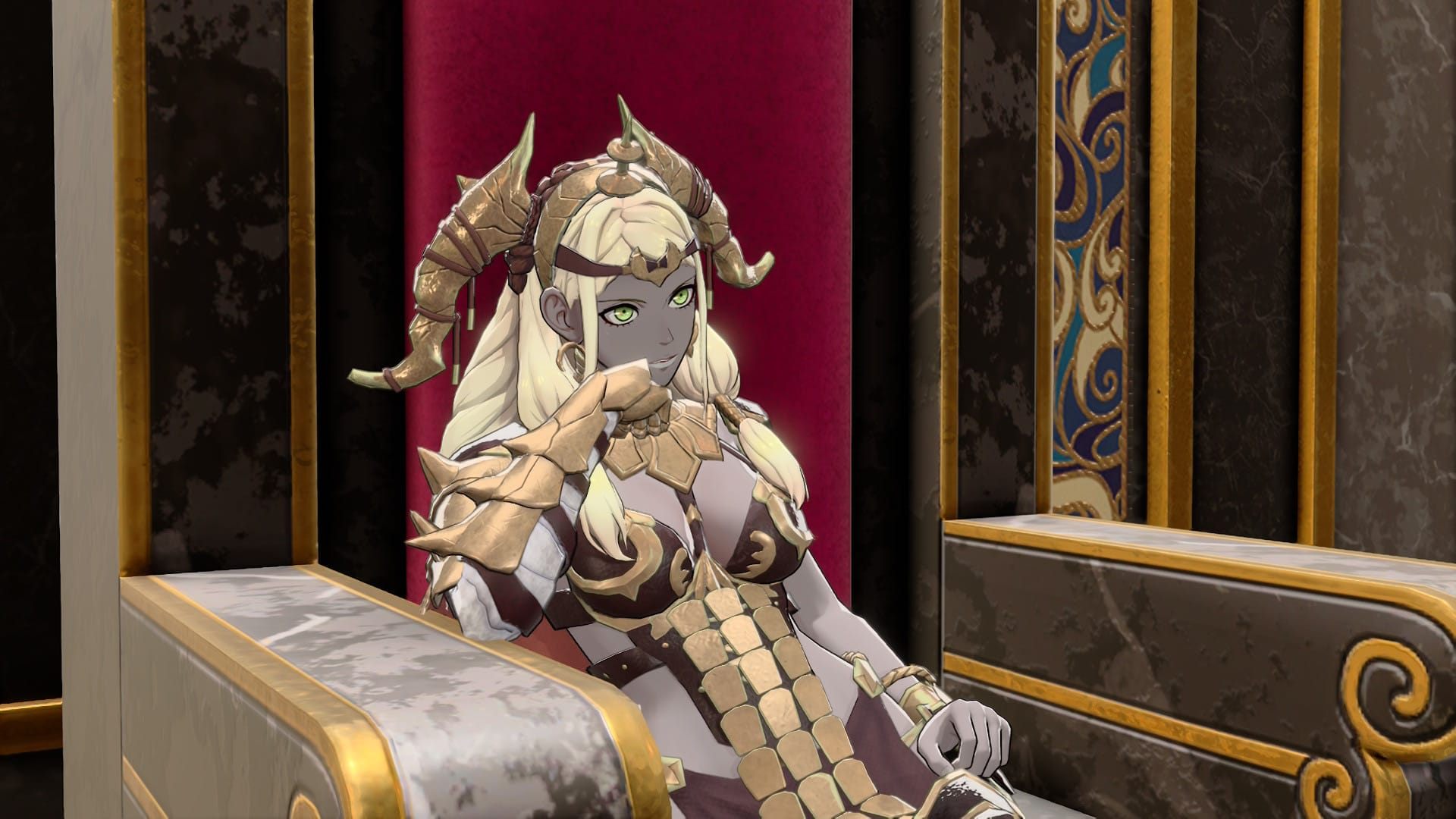
Admittedly, the part I enjoyed the most of the game was the first one, even if it was the easiest, mostly because It is where the world is enhanced, lore is created and everything is shrouded in delightful mystery. Also, the relationships between characters surprised me: in all routes, there was something that really stayed with me, and it marked the first time that I cried in a Fire Emblem game. Because the Playable Character is not really that relevant on the first part, it ends up having room to develop what otherwise would be simple units into relevant and important characters.
And this strong supporting cast only enhances the uniqueness of each route, that not only has different stories that rarely repeat themselves, but special "gimmicks" and powers for each point of view. It is really commendable how a big game like this can have four different play styles, making two pillars of the game – combat and exploration – different enough for everyone. While Cai needs to learn, train and do acts of kindness to raise his renown, Dietrich needs to do find combats hidden in dungeons, Leda is tasked with performing in every city and Theodora constantly raises resources for the nation she leads. Making questing and exploration unique for the characters was greatly appreciated.
What is very similar between the routes -- and the other parts of the game -- is the social element of Fortune's Weave. Raising the support level between units is important to see some character development and it even grants bonuses on the field, so having a intimate crew is important. The activities to raise support levels aren't that interactive, though, and apart from a funny theater, it is mostly a series of menu options. While combat and exploration are on another level, the social aspect is starting to show its age with simplistic systems introduced (and not changed much since) the 3DS era.
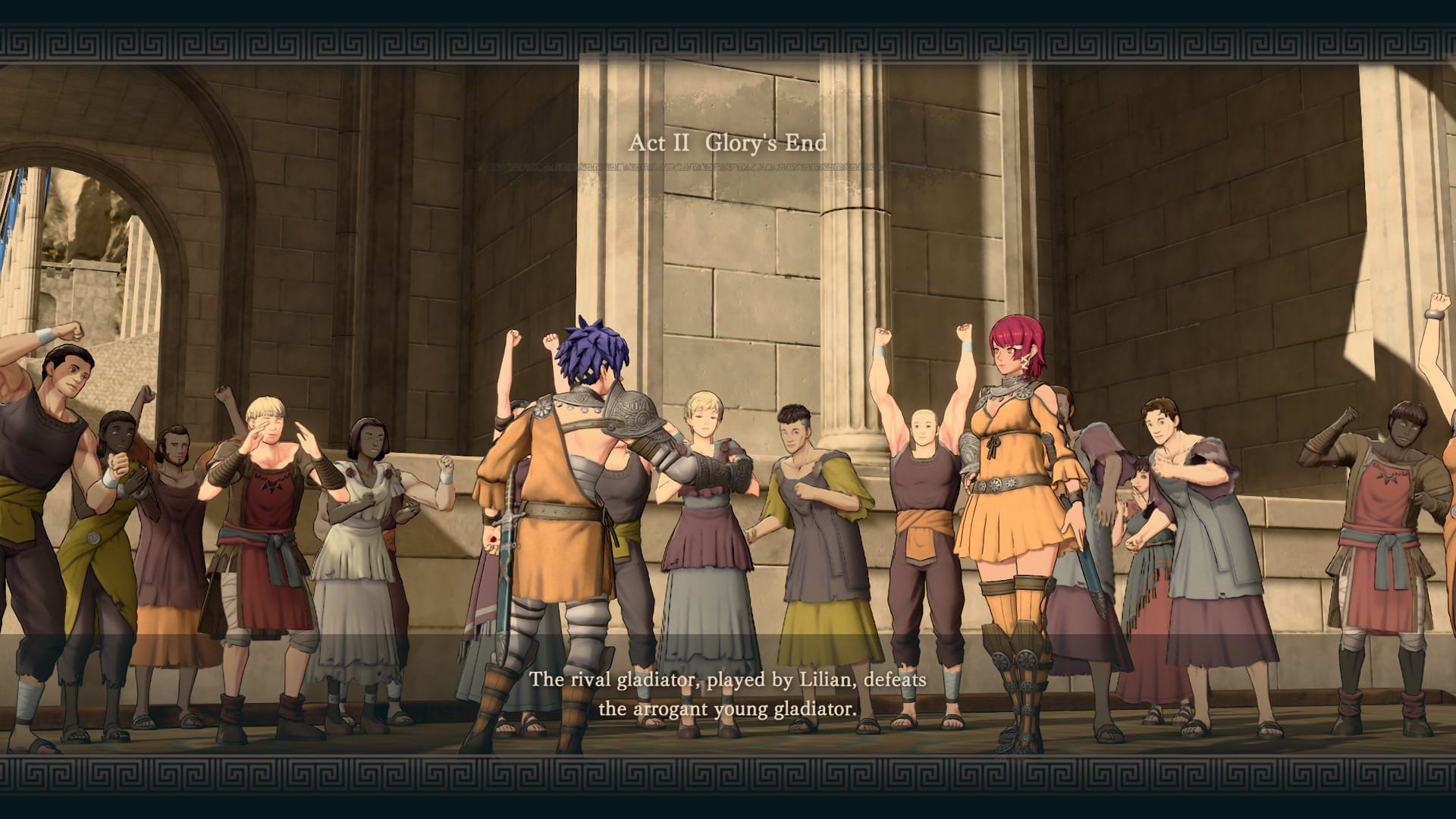
Maybe the most overwhelming and also rewarding side of this game is the world map and its exploration. It is something present in the first and third part of the game, and it is surprisingly big and daunting. Moving around spends some time, and because the game has only one save file, changing my mind on how I would explore during the periods would often lead to restart the chapter altogether. I think the save system can be too punitive sometimes, but after understanding the game and the world better, I started having time to spare, so exploring was always an option.
Every character has something different to do on the world map. Cai can farm fields and lure mounts, while Dietrich can battle extra enemies and Theodora can rally people and raise armies in different cities across the continent. And beyond these specific activities, there are dungeons everywhere that can be explored by foot and have a more traditional, turn based battle inside them. While they're not complex, it is a nice change of pace, and these dungeons can be quite rewarding, both in experience and items. I don't really know if the turn based combat was really the choice here, because its simplicity made me skip or autoplay most of my encounters, but still, it is a different way to play with these characters and I liked exploring them when I needed to.
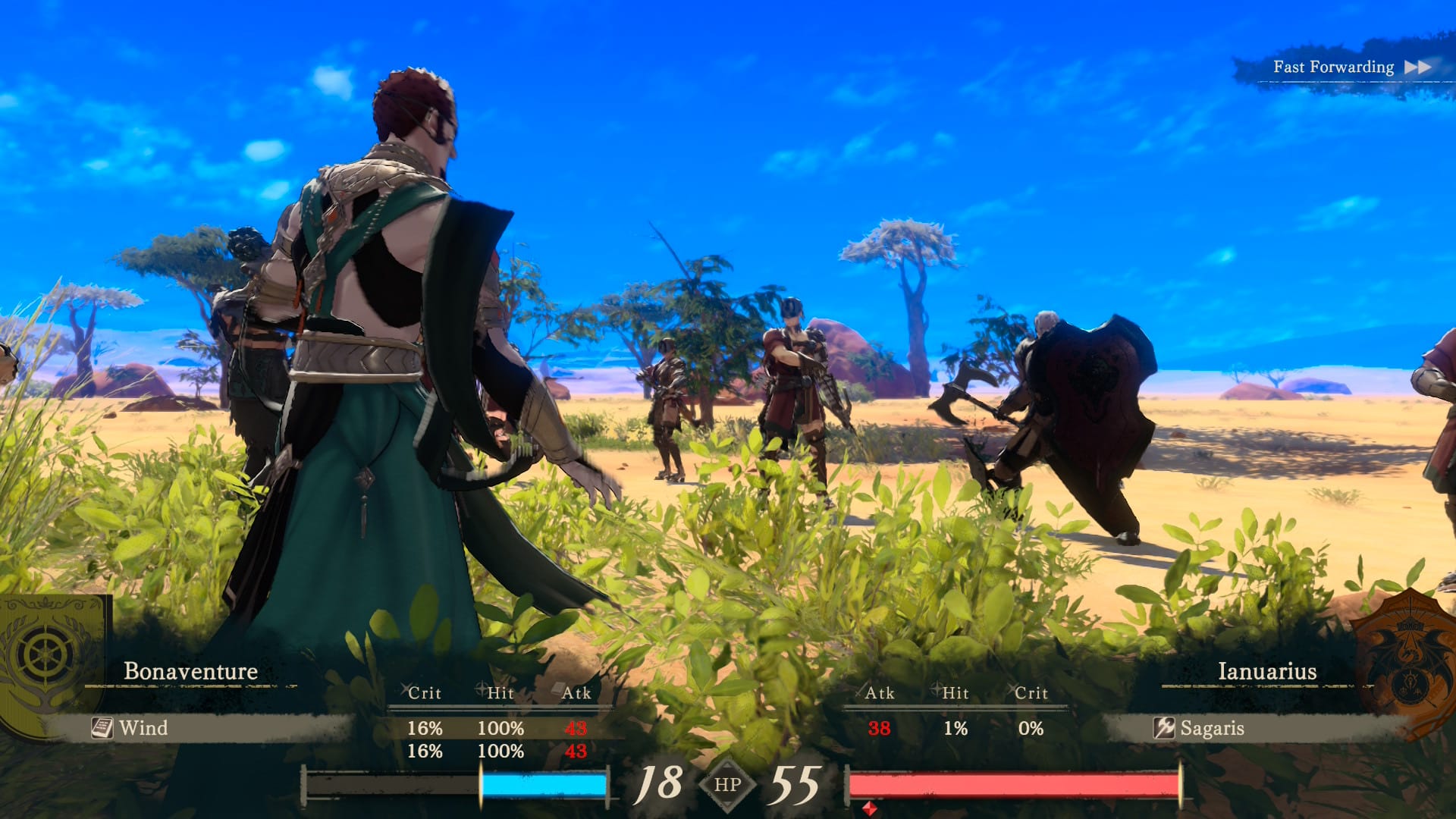
As the second part finishes and the bigger plot unveils, I felt that some characters and conclusions were a bit rushed, and not everything is that clearly said to the player. I think that the game gets a little worse when the Playable Character becomes the protagonist, but the whole story still is very much worthwhile, even if a bit samey later on. The challenges on these later parts are great, on gigantic arenas with 17 or even 25 units to be deployed – in my opinion, Fortune's Weave successfully delivers on its scale without being overindulgent, with a balanced game and memorable experience for everyone who loves good role playing games. The best of the series, and one the best games on Switch 2.
9.5/10
![Marvel's Wolverine [Review]](https://storage.ghost.io/c/99/4e/994ec29e-38c9-4a86-87eb-e15f426ddf35/content/images/size/w720/2026/09/Marvel-s-Wolverine_20260920215840.jpg)
![Big Walk [Review]](https://storage.ghost.io/c/99/4e/994ec29e-38c9-4a86-87eb-e15f426ddf35/content/images/size/w720/2026/09/Big-Walk_20260916220453.jpg)
![The Blood of Dawnwalker [Review]](https://storage.ghost.io/c/99/4e/994ec29e-38c9-4a86-87eb-e15f426ddf35/content/images/size/w720/2026/09/The-Blood-of-Dawnwalker_20260909190124.jpg)
Comments ()