CONTROL Resonant [Review]
CONTROL Resonant is a very special game. It is a remarkable experience, featuring outlandish, physics-defying settings without sacrificing heartfelt plots and novel gameplay ideas. Great stuff.
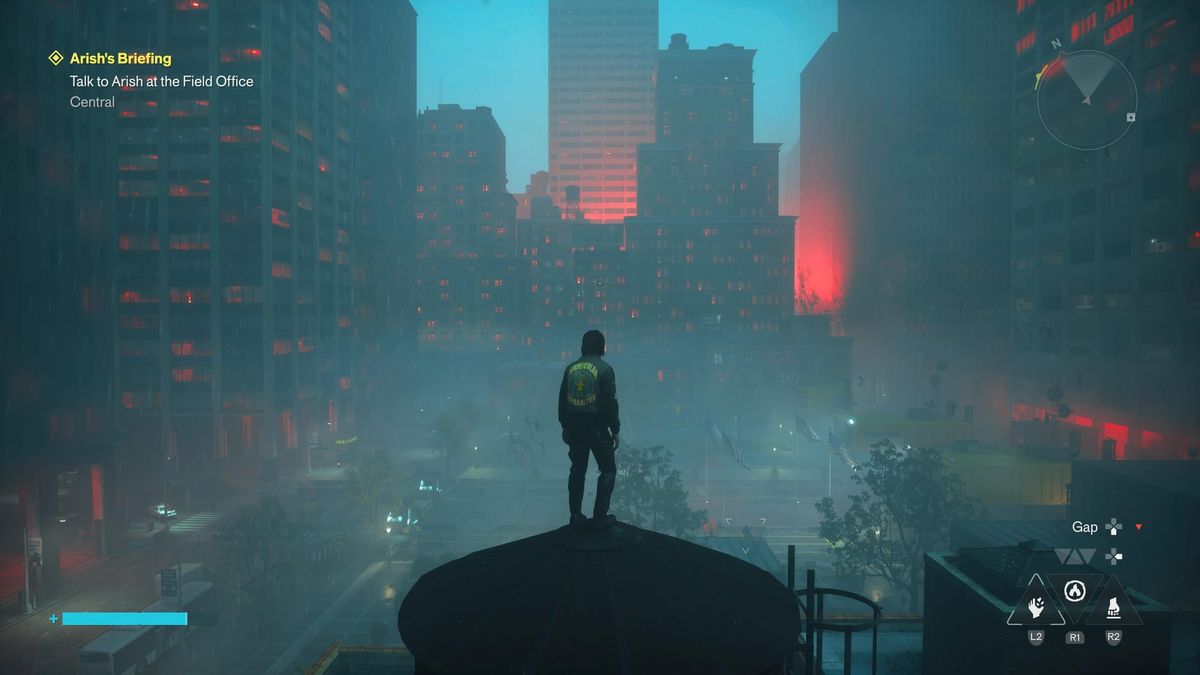
While hope is definitely there, sometimes it feels as though people's suffering is unending. Since a paranormal event cut Manhattan off from the outside world, it is unfair that the lives of many were abruptly ended or altered; however, the only thing I can say about these strange events is that they don't operate on fairness, but rather on a patterned randomness — a controlled chaos.
After the very much relevant events of the first game (that I won't spoil here), CONTROL Resonant is a narrative sequel that implements the gameplay structures of the first game in a new frame, resulting in a genre-defying action-adventure that understands not only the limits of open world design, but also how to instigate curiosity and interest.
While the first CONTROL — like most Remedy Entertainment games — is primarily a shooter first and everything else second, CONTROL Resonant pulls the camera back and gives Dylan, the main character, quick melee actions and combat. In the world of CONTROL, being exposed to an Altered World Event (AWE), which is often created by an Object of Power (OoP), can lead to the individual developing abilities and becoming a parautilitarian. That is the case for Dylan.
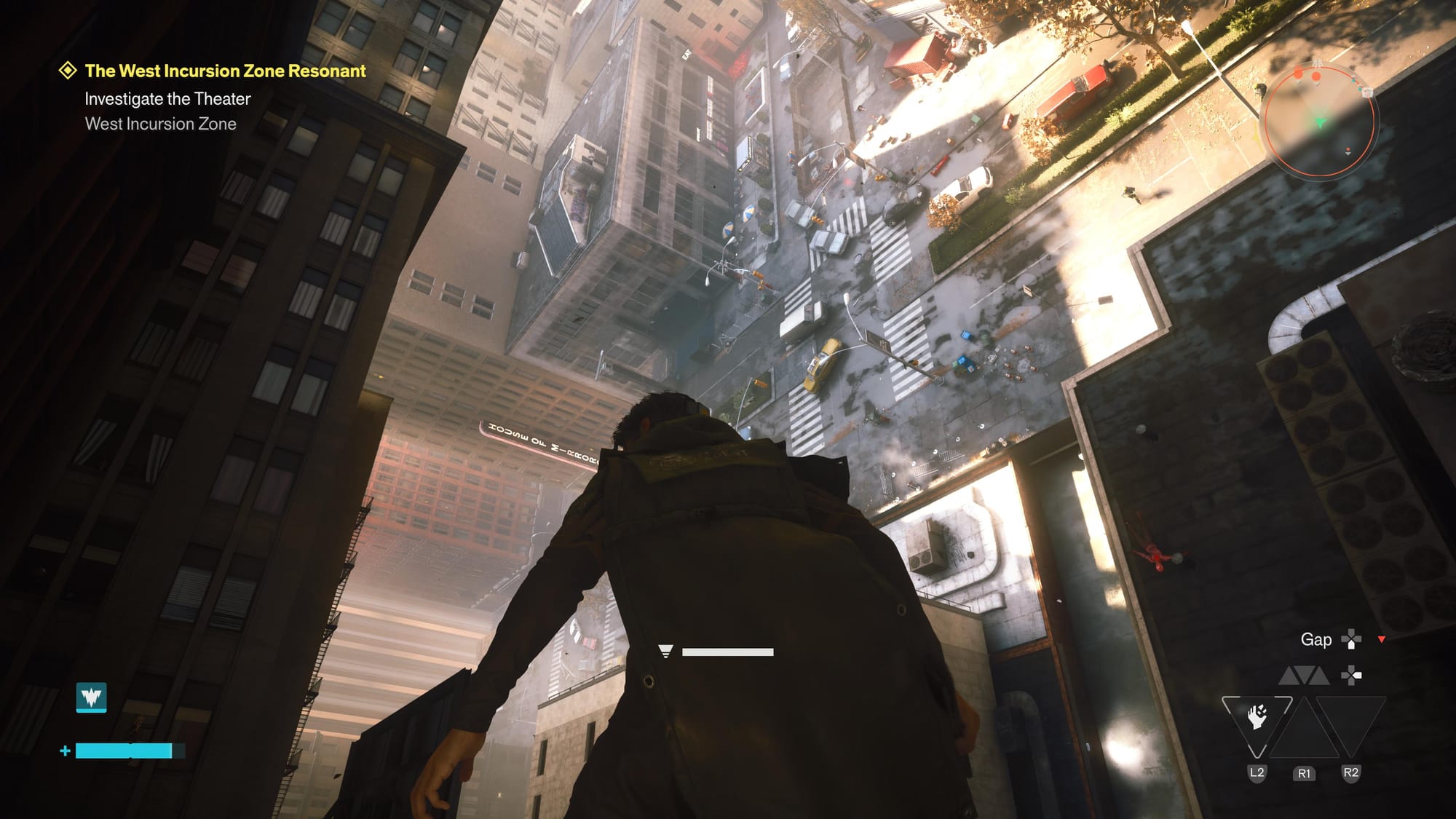
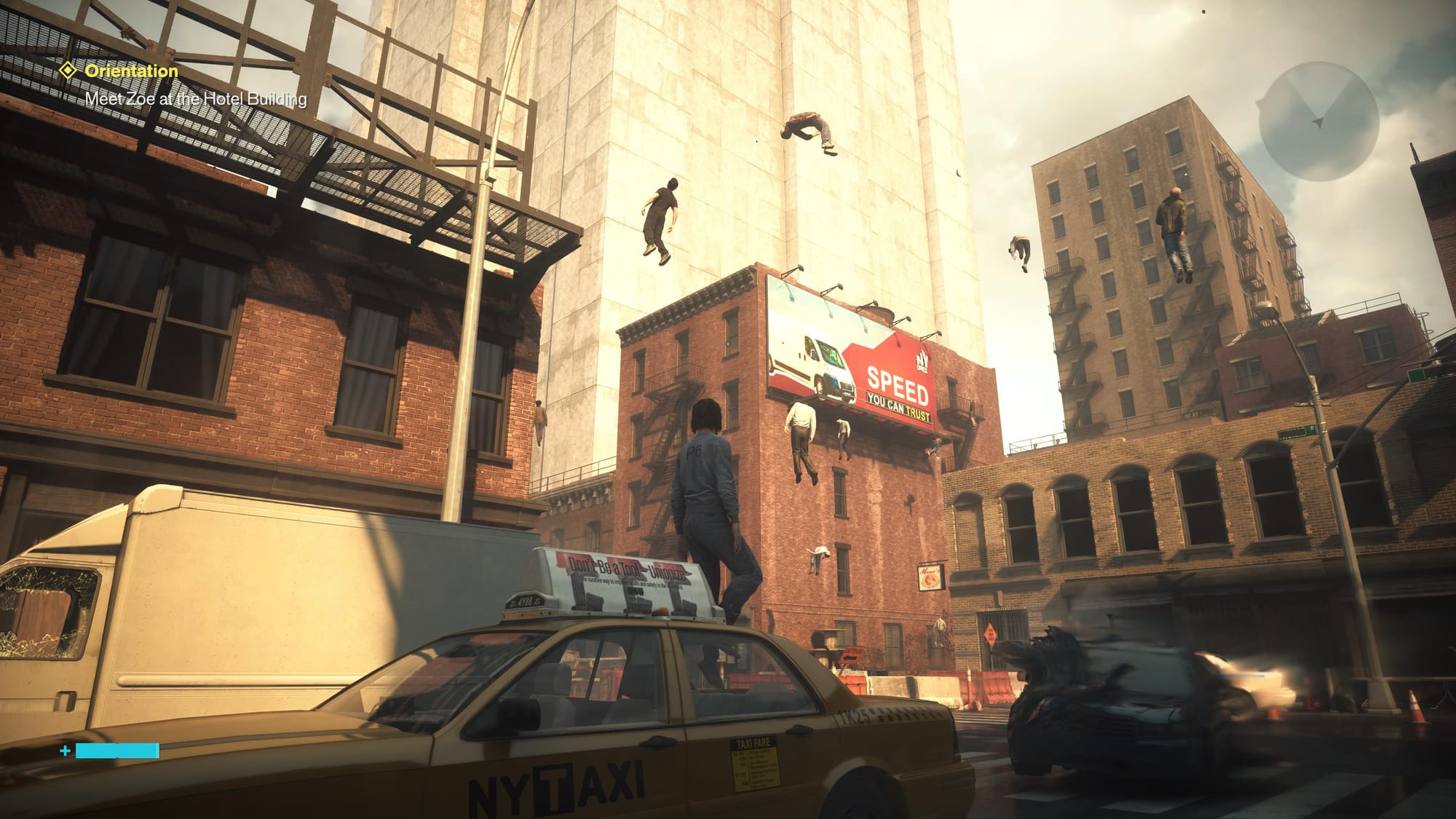
The Altered World Event affecting Manhattan is immense; consequently, the various maps I explored were surprisingly large, featuring gravity-defying structures and pathways that successfully evoke the feeling of being lost of the first game. CONTROL Resonant does not litter the screen or the UI with objectives and goals, creating entire regions that are daunting and labyrinthine to explore, but always interesting and fun to play. There are small and big places to enter throughout the city, and the longer, more narrative driven optional quests were a great incentive to actually know more of the areas and neighborhoods across the island.
Most activities have good rewards that can vary from useful currencies to brand new powers, depending on the quest. Each map has a store and a level system, so doing stuff here and there is encouraged between quest objectives. The loop is often great, focusing on quality over quantity, with interesting puzzles and quirkness galore that really gives the world texture and charisma.
Defeating enemies is not a matter of killing everyone, but rather of stopping the larger enemies and managing the smaller ones, who will inevitably die along the way. While the game isn't particularly difficult, there is a genuine challenge to be found in certain encounters and the later boss fights. However, not everything is perfect: the camera system isn't quite right, and some of the combat complexity is missing.
While the camera is smart enough to create "cut-outs" of Dylan if something obstructs the view, this solution is not consistently well-applied and is not always reliable, resulting in a camera that can be difficult to follow during crowded encounters or in cramped spaces. Additionally, while positioning and mastering perfect dodges are challenging affairs, the actual combat inputs are less so, rendering some encounters a bit too reliant on button-mashing. Still, the enemy variety was great, with different kinds of enemies both in the air and on the ground, creating combat that is frenetic and aerial without feeling too floaty, ensuring that every player-driven action counts.
Alongside all of that somewhat precise battle, a gravity-defying series of open sections surrounds Dylan. Fights are surprisingly vertical, with plenty of aerial combat that sometimes reminds me of Final Fantasy XV or a heavier Kingdom Hearts. The particle effects are superb, in a convincing city that has its own smoke, grass, trees, puddles and everything else in between, with combat implications, because knowing how to manipulate gravity means a lot here, as much as knowing how to navigate through so much information. In a curious decision, there are no potions whatsoever; the best way to recover health during battles is by killing the "adds" that the larger enemies spawn. This approach works overall, but less so in boss encounters, which can sometimes feel a bit unbalanced in the later parts of the game.
I won't lie, though: sometimes the reflections are too shimmery, resulting in some dubious materials and effects. I think that, for an action game, they could've invested in other forms of lighting, even if it cost a bit more development time, as some surfaces are especially noisy in an otherwise very clean game on the PlayStation 5 Pro, where I played it. This game is far from ugly and runs pretty well, too. I just think that they could've found a better balance between fidelity and image quality.
While the game starts closely tied to the events of the first game, CONTROL Resonant begins to develop an identity of its own not much after the first 5 hours, mostly due to the fantastic voice acting. Dylan and Zoe are fantastic and have surprisingly great chemistry, in my opinion, even if their relationship isn't that different from every other romance in similar settings. Still, it was convincing, and many moments were enhanced by great performances, such as the karaoke sidequest. The overarching story, though, tends to overcomplicate otherwise simple concepts and gets a bit too lost in its own plot. There is an unnecessary amount of documents to gather that are frustratingly vapid and "redacted." Still, the full-motion videos were super well realized, and the unexpected pop and rock tracks that sometimes play were very welcome. It felt like a big mechanical and technical climax for the studio, mixing the identities of many previous games into a final, bombastic experience
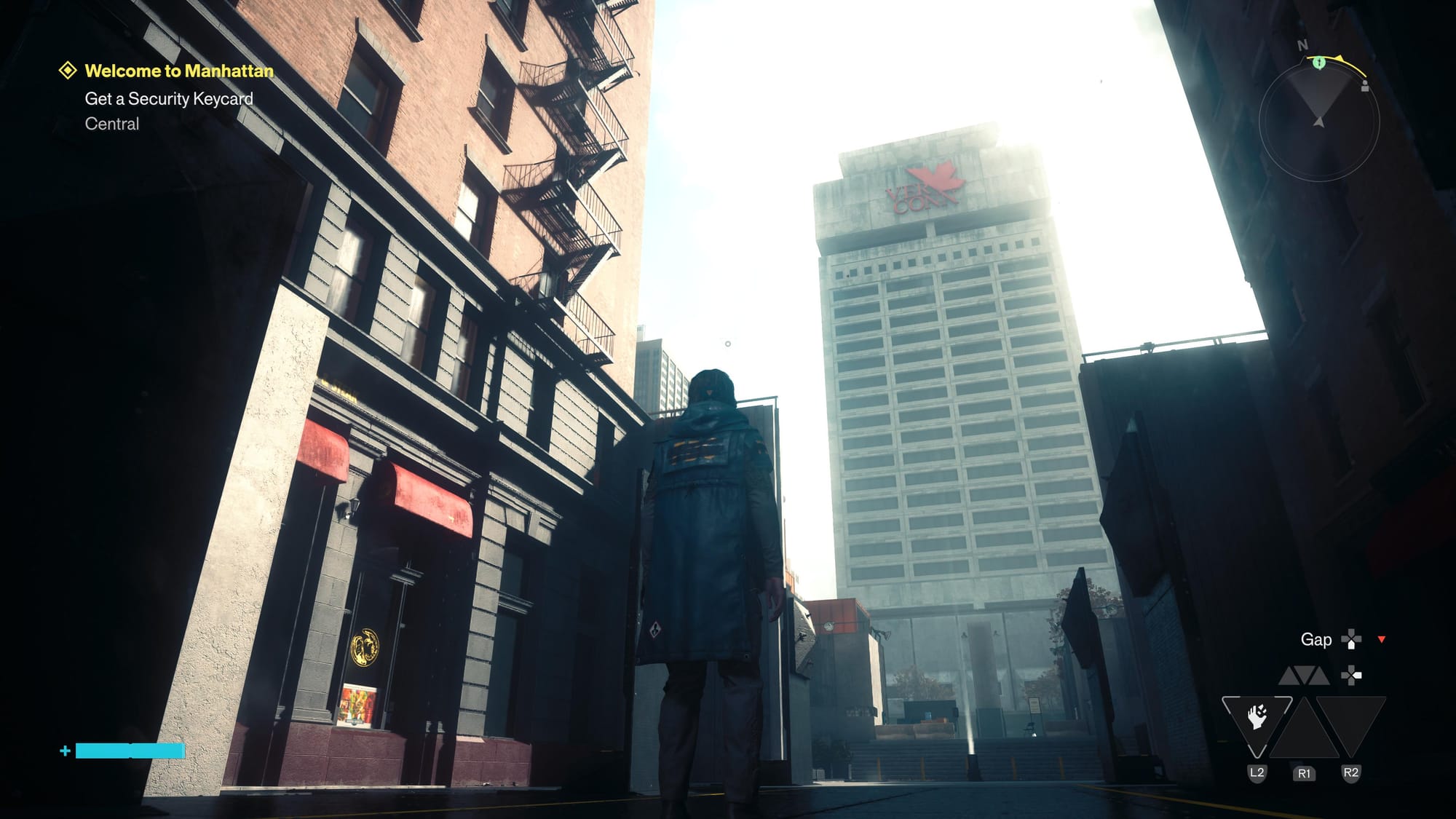
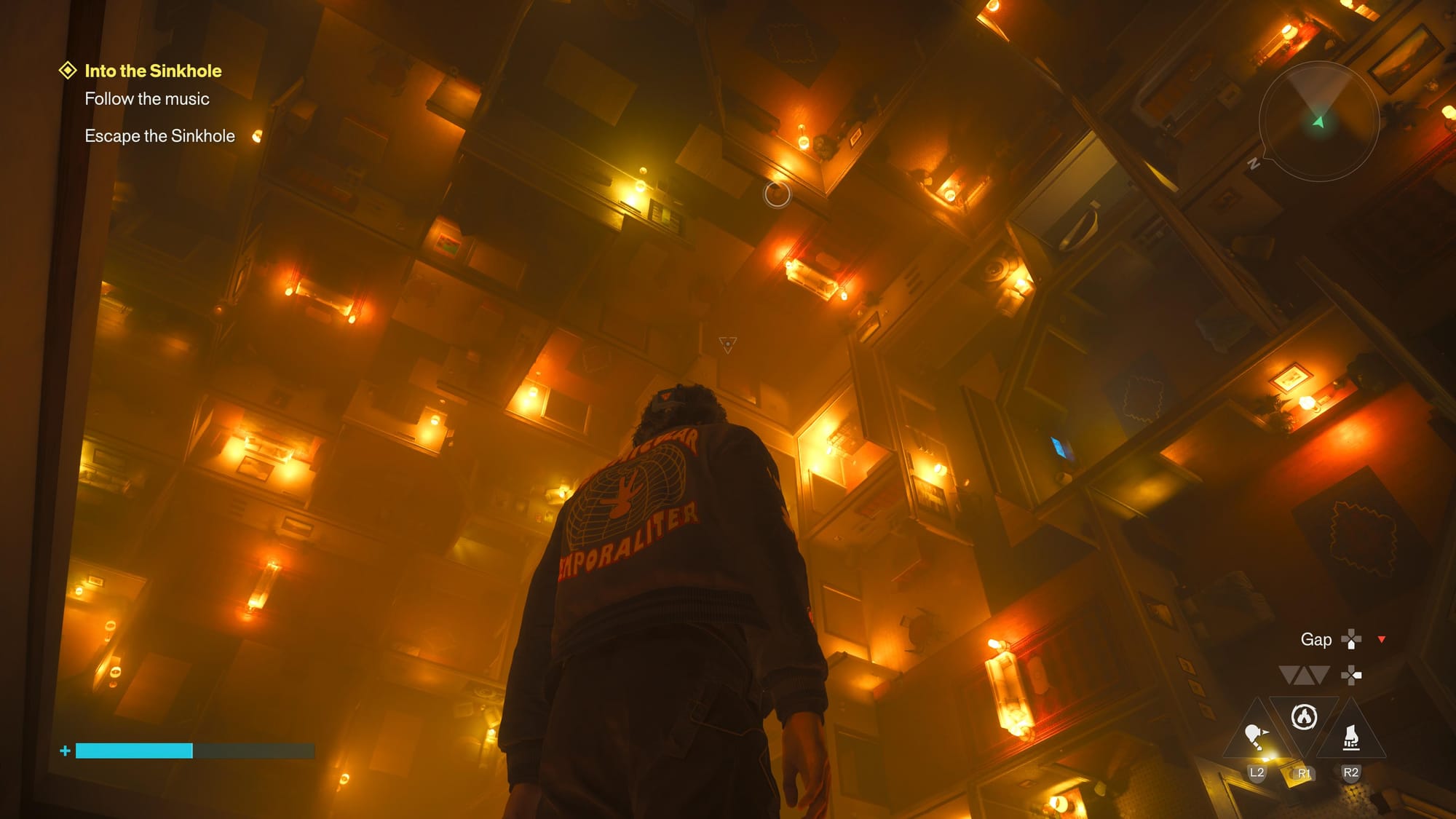
Even though it is similar, in gameplay loop and feel, from previous Remedy's titles, I'd argue that there's more novelty here than in any other game from them yet. It is an action, open-sectioned adventure with equipment, spells, skill trees, currencies, and lots of RPG elements throughout. While most of the experiences are polished, acquiring accessories and progressing in power wasn't that well fleshed out, unfortunately, and many effects that new gear provided weren't really that interesting. The skill tree is different enough, with nodes unlocking perks for Dylan's abilities, but needing to upgrade weapons that I don't use to raise my overall power is not that interesting. It doesn't spoil the rewards, and progressing felt satisfying, but nothing much more than that.
As Dylan becomes able to socialize again, the world reflects his good deeds; it was very rewarding to see those I could save become relevant where society still resists. Activities and questlines can be quite unexpected, and while the overall setting can be a bit ominous, it has an underlying hope that was captivating — for the characters, the city, and the Federal Bureau of Control. It is a truly interesting world that houses great ideas, and it is rewarding to experience as it unfolds, be it on this game, replaying the old ones with context and also waiting for what comes next.
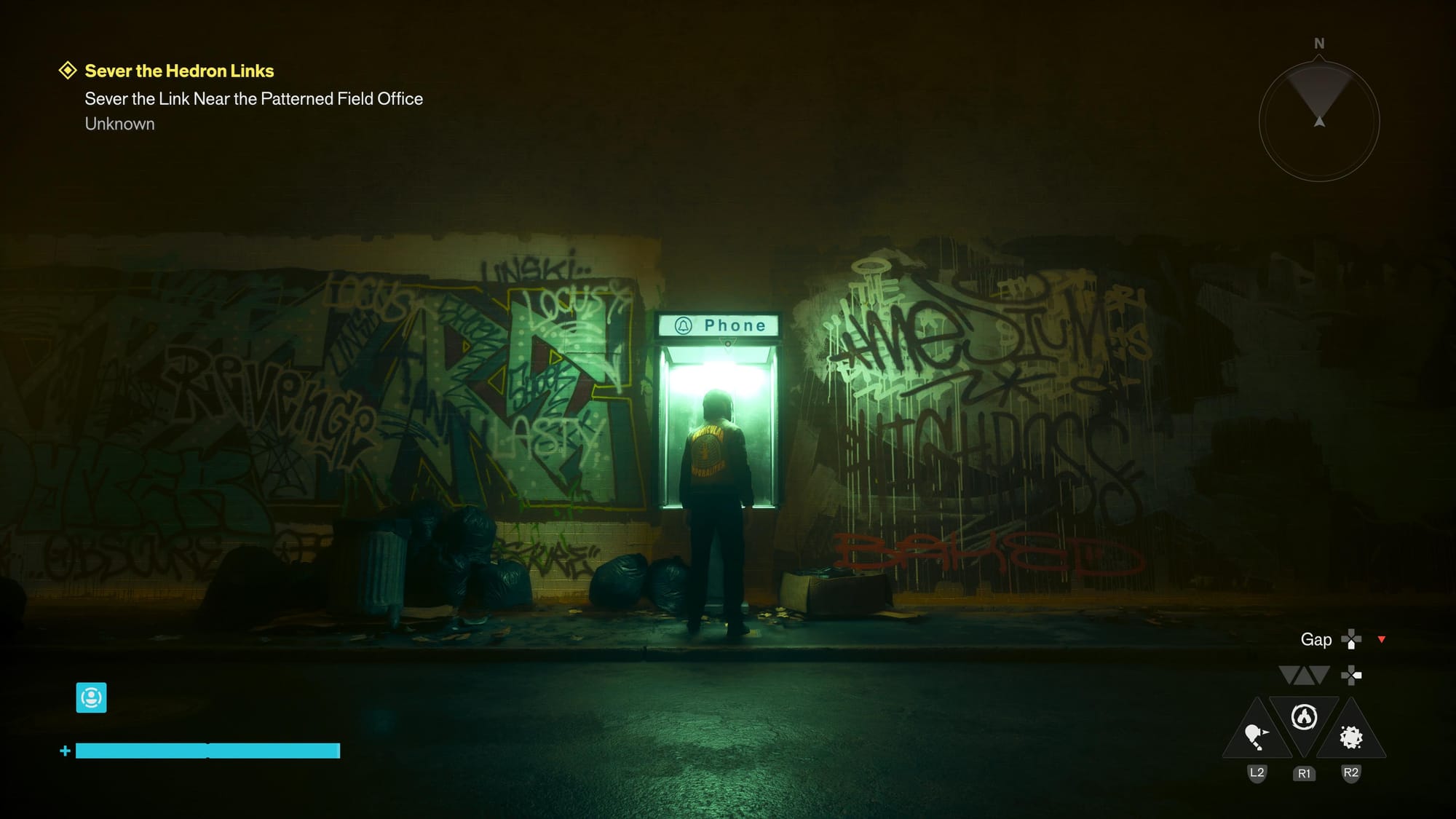
Another very welcomed surprise was the character customization, with different jackets, clothing and hairstyles. I wish there were more, but I liked what I got. Dylan wasn't changing only in the narrative, but in his appearance as well, and it was heartwarming to see a character remembering how to love himself again.
CONTROL Resonant is a very special game. It may end up being my favorite from Remedy Entertainment. It is a remarkable experience, featuring outlandish, physics-defying settings without sacrificing heartfelt plots and novel gameplay ideas. Great stuff.
9.5/10


Comments ()